Man City Bananas Explained: Why City Fans Wave Yellow Inflatables
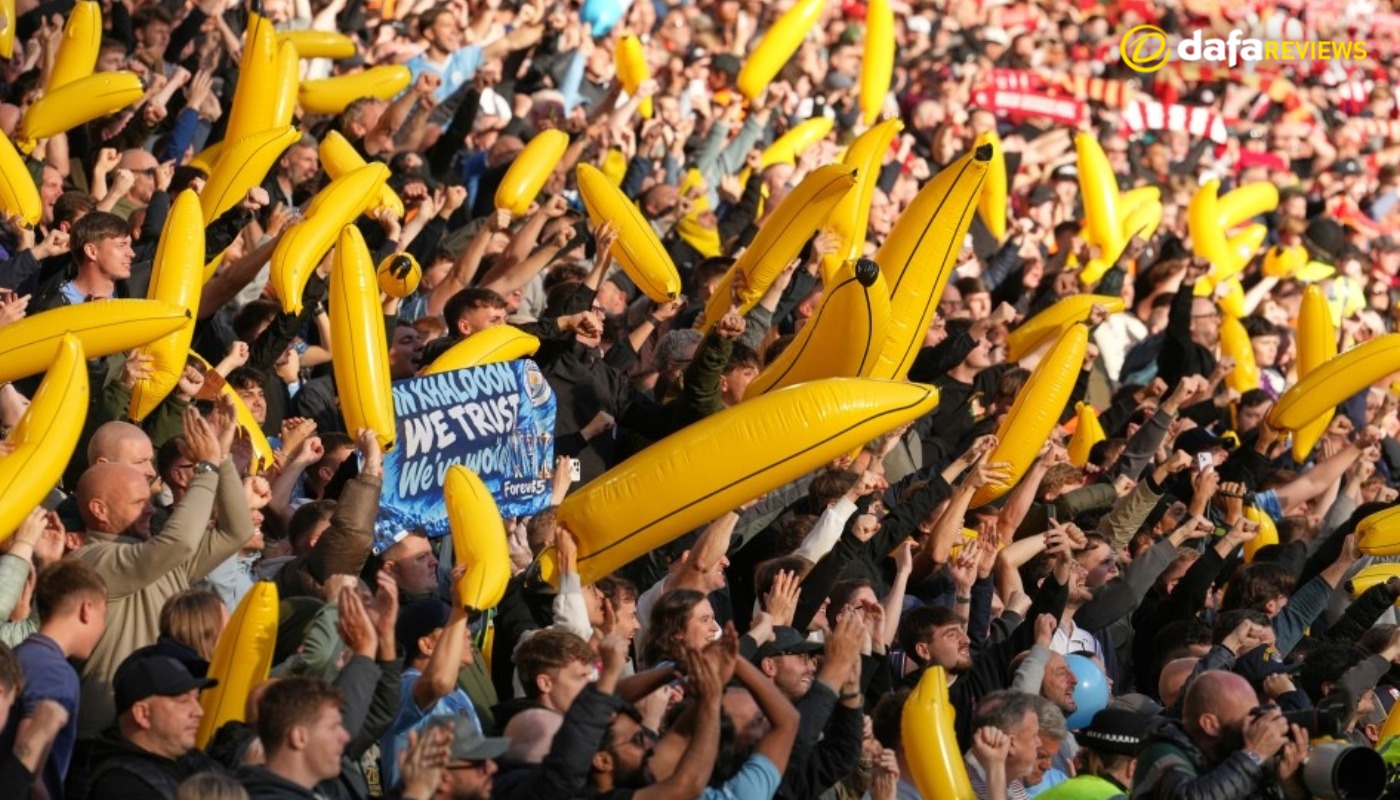
October 12, 2026You probably spotted the photos on Sunday. Thousands of yellow inflatables filled the away end at Anfield. Naturally, everyone asked the same question. Why do Man City bananas even exist? Well, the real answer sounds silly, yet it makes perfect sense. City wear sky blue, after all, so the fruit has nothing to do with kit colours. Instead, the story involves a joke, a nickname and one very determined fan. So grab a drink, and I’ll walk you through it.
Key Stats and Takeaways on Man City Bananas
- Fan Frank Newton took a five-foot inflatable banana to the Plymouth game on 15 August 1987.
- Striker Imre Varadi scored 31 goals in 81 City games and inspired the banana chants.
- Around 10,000 City fans packed Stoke’s ground on Boxing Day 1988 with inflatables. Other accounts say up to 13,000.
- The 1894 fan group handed out more than 1,000 bananas to travelling supporters at Anfield.
- The tradition now runs for almost 40 years and began during a gloomy era for English football.
How Man City Bananas Started in 1987
Let’s rewind to the late 1980s. City had just dropped into the second tier. Meanwhile, English football felt pretty gloomy. Hooliganism dominated the headlines, and the European ban kept English clubs out from 1985 to 1990. Therefore, City fans turned to what they do best, which is gallows humour. In short, they needed something daft to lift the mood.
The Frank Newton Story Behind Man City Bananas
Most people credit a fan called Frank Newton. According to the club, he borrowed an inflatable banana from a mate in Leeds and carried it to Maine Road. Soon, other fans copied him. Around 50 bananas reached the terraces that day. As a result, the craze snowballed through the following season.
Imre Varadi and the Man City Bananas Chant
However, Newton’s banana only tells half of the tale. City also had a cult hero up front called Imre Varadi. During an away trip to West Brom, fans chanted for him, and the chant became “Imre Banana.” Consequently, the fruit and the striker merged into one joke. Varadi loved it, too. He later launched his own business selling inflatable bananas with his name on them.
Why Man City Bananas Took Over English Football
The craze exploded during the 1988-89 season. Fans soon swapped bananas for sharks, Frankensteins, crocodiles and dinosaurs. Meanwhile, an inflatables company boosted production, and Fyffes started sponsoring City games. Other clubs copied the idea, too. Stoke fans brought Pink Panthers, and Norwich fans brought yellow canaries. Still, City led the way.
Man City Bananas at Stoke on Boxing Day
The peak came on Boxing Day 1988. Reports put the City away following anywhere between 10,000 and 13,000 that day. Nearly everyone held an inflatable. Stoke even handed over two full sides of the ground to the visitors. City’s players also ran out and threw bananas into the crowd.
The tabloids noticed, too. One Daily Mirror back page screamed “Bananas To You Maggie.” If you want a proper trip back in time, ESPN’s look back at the 1980s inflatable fad paints the picture well. Honestly, I would pay good money to see that scene again.
Why Man City Bananas Never Really Went Away
Eventually, the craze faded. Even so, the bananas never fully disappeared. They made a minor comeback in 2006/07. Then City’s FA Cup run in 2010-11 brought them back as a nostalgia craze. Since then, they pop up on special occasions. Cup runs and big away days usually do the trick.
Why Man City Bananas Returned at Anfield
Now let’s talk about this weekend. City travelled to Liverpool for their first match since news broke about the Premier League’s 115 charges. Reports say an independent commission found against the club on all charges. City deny any wrongdoing, and they have launched an appeal.
So, with the club in a tense spot, supporters reached for the banana. They wanted to laugh instead of sulk. Yahoo Sports captured the mood nicely. It describes a fan base that meets a possible crisis with novelty fruit.
What the 1894 Group Says About Man City Bananas
The 1894 fan group led the revival. Dante Friend of 1894 says the idea started with Varadi’s nickname, and most fans just wanted a laugh. He also believes fan-led revivals work best, because supporters shape the club’s identity. Furthermore, the display nods to City’s lower-league years, long before the club dominated the Premier League.
In short, Man City bananas show a fan culture built on humour. Before the billions arrived, sarcasm and loyalty carried the supporters. Those traits still define the away end today.
Why do Man City bananas exist in the first place?
They started as a joke in 1987. Frank Newton took a giant inflatable banana to Maine Road. Around the same time, fans played on Imre Varadi’s surname. Together, those two moments launched the craze.
Who started the Man City bananas tradition?
Most accounts credit fan Frank Newton. He brought the first big inflatable to the Plymouth Argyle match in August 1987. Meanwhile, Imre Varadi gave the joke its punchline through the “Imre Banana” chant.
Do Man City bananas link to the club colours?
No, they don’t. City play in sky blue, so the yellow fruit has no kit connection. The bananas came purely from a nickname and one fan’s prank.
How many Man City bananas did fans bring to Anfield?
Reports say the 1894 group handed out more than 1,000 inflatables. Many supporters carried them into the away end. As a result, the stand looked like a giant fruit bowl.
Do Man City bananas still appear at matches today?
Yes, but only on special occasions. They usually show up during cup runs and big away trips. This weekend’s Anfield visit proves the tradition still has plenty of life.
Final Thoughts on Man City Bananas
So next time someone asks about Man City bananas, you now have the full answer. A fan, a striker and a gloomy decade created a tradition that lasts almost 40 years. Now it returns whenever City fans want to prove they can laugh at anything. Which match do you think deserves the next banana invasion?